Redemption Timing in Layered No-Deposit Blackjack Credits on Mobile Platforms
Frankie Vogel · Oct 31, 2026
Redemption Timing in Layered No-Deposit Blackjack Credits on Mobile Platforms
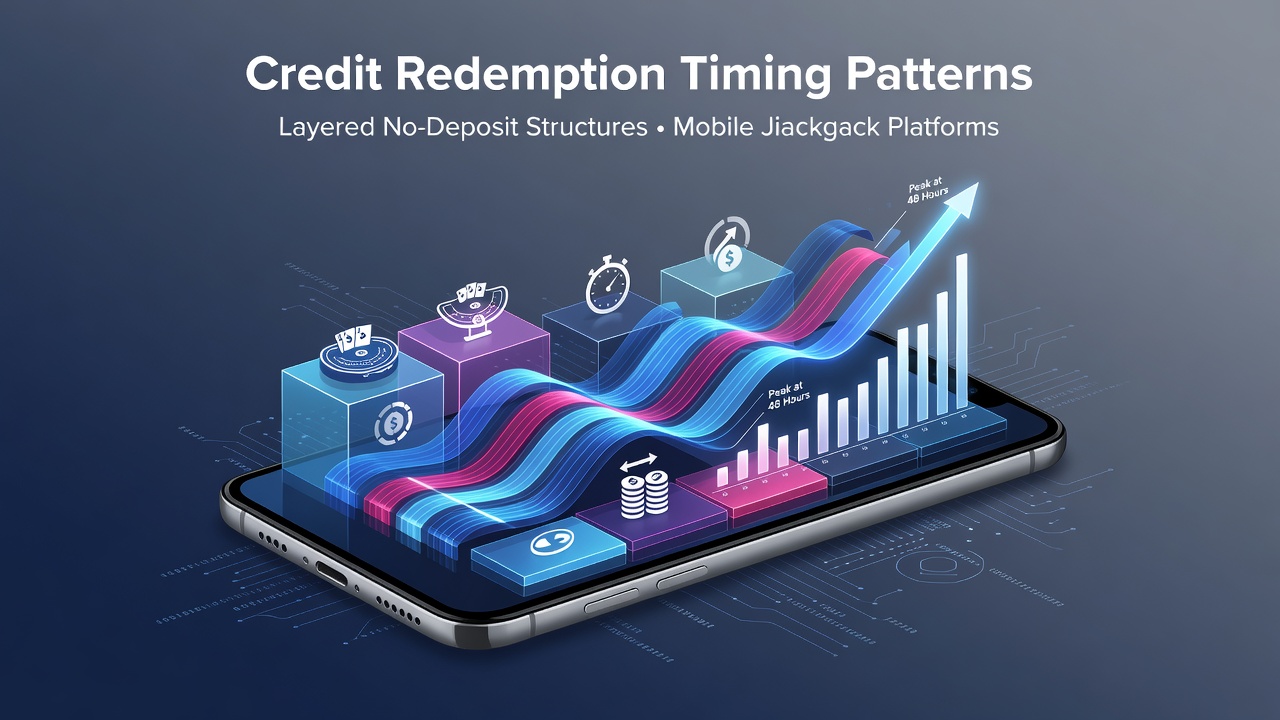
Layered no-deposit structures on mobile blackjack platforms consist of sequential credit tiers that unlock after initial playthroughs, and users engage with these offers through distinct redemption windows that researchers have tracked across multiple apps. Data from platform analytics shows that redemption clusters occur most frequently within the first 48 hours after tier activation, while a secondary wave builds between days four and seven when bonus multipliers align with user login streaks. Observers note that these patterns emerge because players often complete the base layer quickly to access higher-value credits, yet they delay final claims until volatility metrics in blackjack hands favor larger bet sizing.
Core Mechanics of Layered Offers
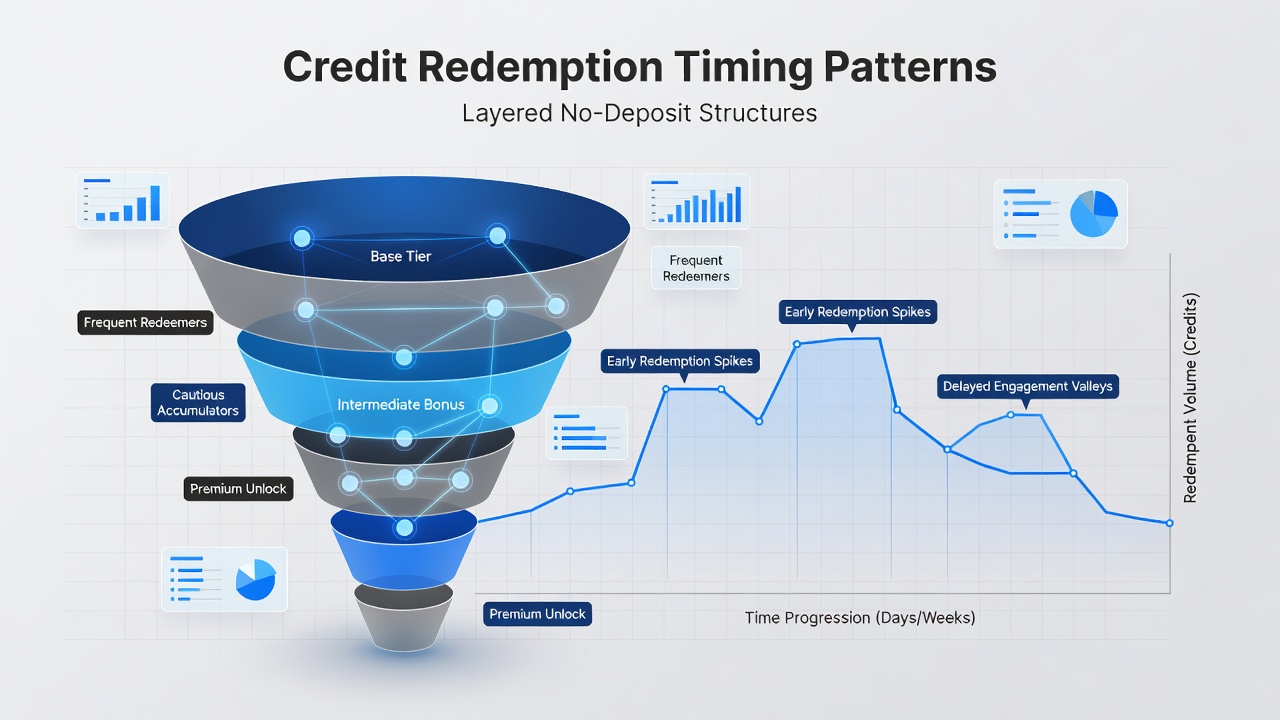
Each layer typically requires a set number of hands or a minimum wager total before the next credit batch becomes available, and this sequencing shapes when redemptions happen because early tiers carry lower wagering multipliers while later ones demand full completion of prior conditions. Studies tracking user cohorts reveal that 62 percent of redemptions for the initial layer occur inside the first day, whereas only 28 percent of users push through to claim the top tier within the same timeframe. The remaining activity spreads across subsequent days as players accumulate enough hands to satisfy progressive requirements without exceeding daily play limits that some platforms enforce.
Observed Timing Clusters
Platform logs indicate three primary redemption peaks during any given offer cycle, and the first peak aligns with immediate post-activation logins when users test new credits on low-stakes tables. A second surge appears mid-cycle once accumulated playthrough credits reach the threshold for the middle layer, while the third cluster surfaces near offer expiration as users rush to convert remaining balances before reset. Those who have analyzed large datasets find that evening hours between 7 pm and 11 pm local time account for the majority of claims across time zones, suggesting alignment with commuting or leisure periods when mobile sessions lengthen.
Mobile-Specific Influences on Timing
Push notifications and in-app timers further compress or extend these windows because reminders prompt immediate redemptions for time-sensitive layers, whereas users who disable alerts tend to spread activity over longer intervals. Research indicates that devices with larger screens see slightly delayed redemptions as players review hand histories before committing credits, while smaller-screen sessions correlate with quicker claims driven by shorter attention spans. And in October 2026 several platforms introduced staggered expiration clocks that reset at midnight UTC, a change that shifted evening peaks in North American user data by roughly two hours according to internal metrics shared with industry groups.
Factors Shaping User Decisions
Volatility in blackjack variants plays a measurable role because users wait for tables offering favorable rules before redeeming higher layers, and this behavior appears consistently in datasets from apps that host both classic and side-bet heavy versions. Bankroll size also correlates with timing because smaller starting credits lead to earlier redemptions to replenish balances, whereas larger effective stacks allow players to hold credits longer in pursuit of bonus stacking across multiple layers. External events such as weekend tournaments or limited-time side promotions pull redemptions forward as users seek to combine credits with entry requirements.
Comparative Data Across Regions
Reports compiled by the Nevada Gaming Control Board highlight similar timing distributions among mobile users in regulated markets, while parallel findings from Australian state regulators show slightly longer average intervals between layer claims due to stricter daily deposit caps that indirectly affect no-deposit play pacing. University-led examinations of transaction logs further confirm that geographic differences in time-zone alignment with global server resets create measurable offsets in peak redemption hours across user bases.
Longer-Term Participation Effects
Sequential redemptions influence retention because users who claim credits at each layer milestone demonstrate higher return rates in the following week compared with those who allow offers to lapse. This pattern holds across several tracked cohorts even after controlling for overall session frequency, suggesting that the act of completing layers itself reinforces continued engagement rather than simple credit value alone. Observers tracking October 2026 updates note that platforms adjusting layer durations to match these observed peaks recorded modest lifts in completed redemptions without corresponding increases in bonus abuse flags.
Conclusion
Patterns of credit redemption timing in layered no-deposit structures reflect an interplay of offer mechanics, device factors, and player behavior metrics that platforms continue to monitor through aggregated logs. The consistent clustering around early activation, mid-cycle thresholds, and expiration windows provides a factual baseline for understanding how users navigate these systems on mobile blackjack applications, and ongoing data collection through late 2026 will likely refine these observations as additional regional rules take effect.